What Phone Safety Testing Never Accounted For — And Why It Matters for Children
The safety testing behind every phone children use was never designed with children in mind.
That's not an opinion. That's how the system was built.
The safety testing process used to certify every phone sold in the United States was designed around a plastic model of a head — based on the top 10% of US military recruits from 1989.
A large adult male.
Not a child. Not a teenager. Not even an average adult woman.
Every phone children use has been certified as "safe" for a body that looks nothing like theirs.
Professor Om Gandhi, Professor Emeritus of Electrical and Computer Engineering at the University of Utah, spent decades studying exactly what this means for children.
His research found that a child's brain absorbs radiofrequency radiation more deeply than an adult's. The younger the child, the deeper the penetration into developing brain tissue.
The SAR — the measure of radiation absorbed by the body — for a 10-year-old can be up to 153% higher than what the standard safety model predicts.
When electrical properties of tissue are considered, a child's head absorption can be over two times greater than an adult's. And absorption in the skull's bone marrow can be approximately ten times greater.

The above is an approximate visual representation of how radiation absorption differs across age groups, based on research findings.
We are not saying this will definitely harm children. Nobody can say that with certainty right now.
But the data on how much more radiation a child's body absorbs compared to an adult — that part is not in question.
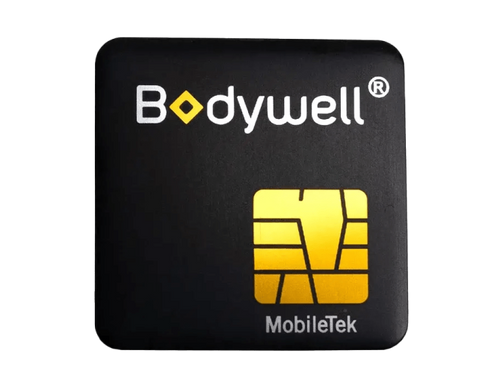
The BioChip was built for exactly this reality.
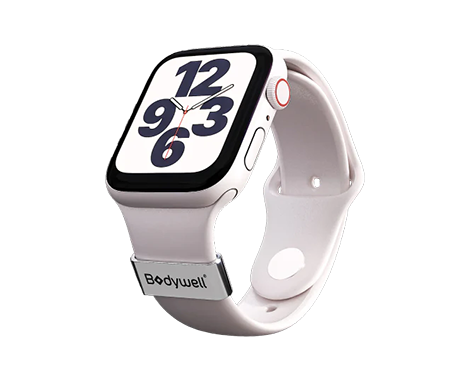
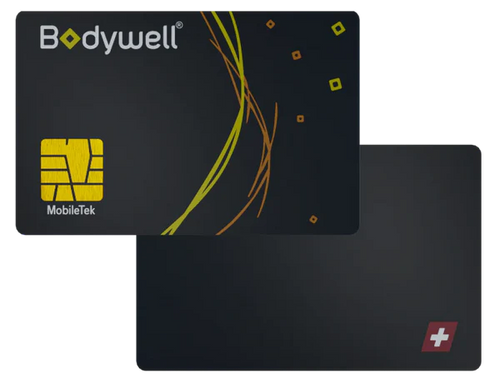
It reduces the amount of radiation a body absorbs from personal devices — phone, laptop, tablet — by up to 80%. Swiss-made, science-backed, tested and verified at an FCC-certified US lab.
See the BioChip
Every order comes with a 90-day money-back guarantee. If for any reason you decide to return it, the process is simple and straightforward.
A child's brain continues developing well into their mid-20s. The devices they use every day emit the same type of radiation that the WHO classified as possibly carcinogenic to humans in 2011.
There are official limits on how much radiation a device is allowed to emit — set by the FCC, the US government agency responsible for regulating wireless communications and how devices like phones are allowed to operate.
Think of these limits like speed limits on a highway. They exist to protect you.
But those limits were last set in 1996. Before smartphones. Before WiFi. Before any of this existed.
The rules haven't moved. The world has changed completely.
Give Your Child Science-Backed Protection
You wouldn't send them into the sun without sunscreen. The radiation from their devices is invisible. That doesn't mean it isn't there.
<div class="dynamic-checkout__content" id="dynamic-checkout-cart" data-shopify="dynamic-checkout-cart"> <shopify-accelerated-checkout-cart wallet-configs="[{"supports_subs":true,"supports_def_opts":false,"name":"shop_pay","wallet_params":{"shopId":60631875749,"merchantName":"Bodywell","personalized":true}},{"supports_subs":false,"supports_def_opts":false,"name":"paypal","wallet_params":{"shopId":60631875749,"countryCode":"US","merchantName":"Bodywell","phoneRequired":true,"companyRequired":false,"shippingType":"shipping","shopifyPaymentsEnabled":true,"hasManagedSellingPlanState":false,"requiresBillingAgreement":true,"gatewayType":"CONNECTED","merchantId":"6LBNNKYPPHW52","sdkUrl":"https://www.paypal.com/sdk/js?components=buttons\u0026commit=false\u0026currency=CAD\u0026locale=en_US\u0026client-id=AexZEtAxk09Ncgj6FSWFFyGKbxxAZ_LTyJ2DPdJWl1YUlecinmc5AfIaRF2qYjWlusWahlzz6SVkY5Ci\u0026merchant-id=6LBNNKYPPHW52\u0026intent=tokenize\u0026vault=true","serviceableCountryCodes":["AC","AD","AE","AF","AG","AI","AL","AM","AO","AR","AT","AU","AW","AX","AZ","BA","BB","BD","BE","BF","BG","BH","BI","BJ","BL","BM","BN","BO","BQ","BR","BS","BT","BW","BY","BZ","CA","CC","CD","CF","CG","CH","CI","CK","CL","CM","CN","CO","CR","CV","CW","CX","CY","CZ","DE","DJ","DK","DM","DO","DZ","EC","EE","EG","EH","ER","ES","ET","FI","FJ","FK","FO","FR","GA","GB","GD","GE","GF","GG","GH","GI","GL","GM","GN","GP","GQ","GR","GS","GT","GW","GY","HK","HN","HR","HT","HU","ID","IE","IL","IM","IN","IO","IQ","IS","IT","JE","JM","JO","JP","KE","KG","KH","KI","KM","KN","KR","KW","KY","KZ","LA","LB","LC","LI","LK","LR","LS","LT","LU","LV","LY","MA","MC","MD","ME","MF","MG","MK","ML","MM","MN","MO","MQ","MR","MS","MT","MU","MV","MW","MX","MY","MZ","NA","NC","NE","NF","NG","NI","NL","NO","NP","NR","NU","NZ","OM","PA","PE","PF","PG","PH","PK","PL","PM","PN","PS","PT","PY","QA","RE","RO","RS","RU","RW","SA","SB","SC","SD","SE","SG","SH","SI","SJ","SK","SL","SM","SN","SO","SR","SS","ST","SV","SX","SZ","TA","TC","TD","TF","TG","TH","TJ","TK","TL","TM","TN","TO","TR","TT","TV","TW","TZ","UA","UG","UM","US","UY","UZ","VA","VC","VE","VG","VN","VU","WF","WS","XK","YE","YT","ZA","ZM","ZW"]}}]" access-token="aca3966b8c38a48791f96e65876443ac" buyer-country="CA" buyer-locale="en" buyer-currency="CAD" shop-id="60631875749" cart-id="897336bd3baca70f311240ff363e0b65" > <div class="wallet-button-wrapper"> <ul class='wallet-cart-grid wallet-cart-grid--skeleton' role="list" data-shopify-buttoncontainer="true"> <li data-testid='grid-cell' class='wallet-cart-button-container'><div class='wallet-cart-button wallet-cart-button__skeleton' role='button' disabled aria-hidden='true'> </div></li><li data-testid='grid-cell' class='wallet-cart-button-container'><div class='wallet-cart-button wallet-cart-button__skeleton' role='button' disabled aria-hidden='true'> </div></li> </ul> </div> </shopify-accelerated-checkout-cart> </div>




Leave a comment
This site is protected by hCaptcha and the hCaptcha Privacy Policy and Terms of Service apply.